
Visible changes often receive the most attention when people begin exercising. Stronger muscles, improved endurance, and changes in appearance provide reasons to keep going. Yet a workout can also matter because of what happens afterward: a calmer evening, a clearer head, or a stronger sense of accomplishment. Those experiences can become meaningful reasons to return.
The gym offers more than an opportunity to change how the body looks. Regular movement can support mood, sleep, and aspects of thinking, while a welcoming setting provides structure and connection. Mental and physical benefits develop together, making exercise valuable even when progress is not immediately visible in the mirror.
Mood Beyond Appearance
Exercise influences several biological processes involved in mood and stress responses. Endorphins are part of that picture, but they are not the entire explanation for feeling better after activity. Other signaling systems, including endocannabinoids, also contribute to the experience.
Some people notice that movement interrupts a difficult day or leaves them feeling more settled. Others value the satisfaction of completing an activity they enjoy. These changes may be modest rather than dramatic, especially when fatigue or other pressures are present. Recognizing different responses keeps expectations realistic without diminishing the potential emotional value of regular exercise.
A gym routine can provide an opportunity to experience those benefits repeatedly. Over time, the association between movement and feeling better may become part of the motivation to attend. Enjoyment, improved mood, and a sense of capability offer additional reasons to continue.
Stress and Emotional Well-Being
Physical activity can create a break from persistent demands on attention. During a guided workout, following movements and noticing effort may temporarily shift focus away from unfinished tasks or worries. That pause does not resolve every source of stress. It can, however, provide a different experience from continuing to sit with the same concerns throughout the day.
Exercise may also help reduce symptoms of anxiety and depression, making it a useful part of broader mental health care. Its benefits do not mean those conditions result from insufficient activity or that a workout replaces treatment. People experiencing ongoing distress may need support from a healthcare professional. Movement can complement that support in ways suited to individual circumstances.
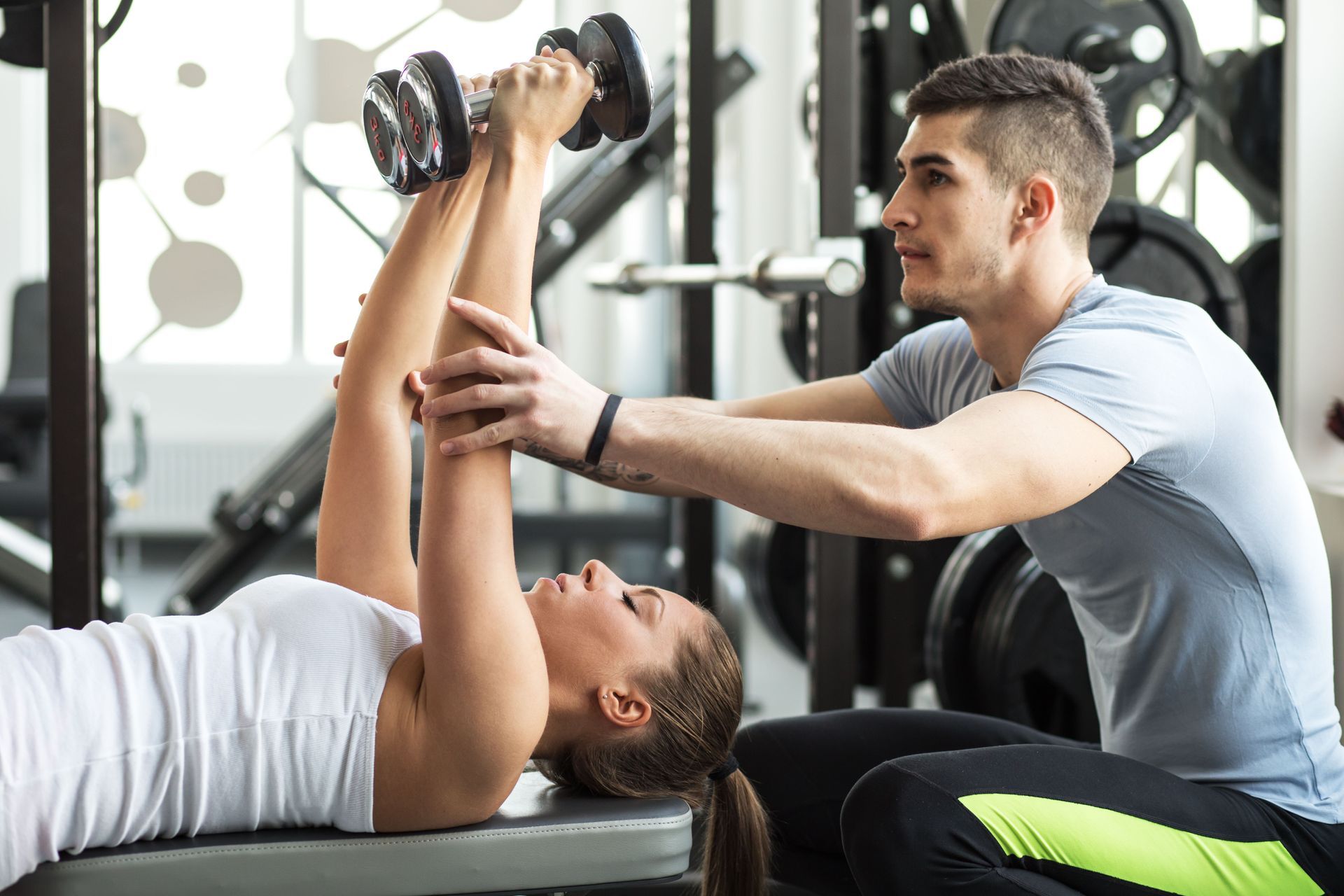
The emotional value of a gym session can include having a predictable place to focus on personal well-being. A supportive instructor can help make the activity approachable rather than another source of pressure. Progress may involve feeling more comfortable, returning consistently, or completing a manageable session. Those outcomes deserve recognition alongside changes in strength or physical appearance.
Memory, Focus, and Learning
Regular physical activity can support aspects of cognitive function, including memory and thinking skills. Exercise also affects processes related to brain adaptability, although these connections are more complex than a single chemical explanation. The benefits depend on many factors and vary among individuals. Activity should be viewed as one contributor to brain health rather than a shortcut to exceptional mental performance.
Learning movements introduces another way to engage attention. Remembering an instructor's cues, coordinating a sequence, and adjusting technique require active participation. These demands can make training mentally absorbing as well as physically challenging. The experience offers opportunities to practice a skill and notice improvement without assuming that every exercise directly improves performance in unrelated tasks.
Time at the gym may also provide a useful transition between work and the rest of the day. Some people find that stepping away from a demanding task helps them return with a different perspective. That experience is not the same as a promised increase in creativity or productivity. Its value lies in the combination of movement, a change of setting, and focused engagement.
Sleep and Everyday Energy
Regular physical activity can improve sleep quality, which matters for mood, attention, and daily functioning. The relationship works in both directions, because inadequate sleep can also make exercise feel harder. A routine that respects recovery is therefore more useful than treating exhaustion as evidence of a successful session.
The timing and intensity of training may affect how a person feels later. An evening session suits some schedules, while others prefer earlier activity or find vigorous late workouts less comfortable. Individual responses provide useful information when discussing a routine with an instructor. There is no need to assume that the same schedule will work equally well for everyone.
The gym can become a helpful part of a regular weekly rhythm when sessions fit existing responsibilities. That structure should leave room for sleep, meals, and recovery rather than crowding them out. Better balance makes participation easier to sustain. The goal is a routine that supports everyday life, with mental and physical benefits considered together.
Social Connection and Support
Exercising alongside others can make activity feel less isolating. Familiar faces, shared encouragement, and a welcoming instructor may help people feel more comfortable returning. Social connection does not require competition or constant conversation. For some participants, simply belonging to a setting where others recognize their effort is a meaningful part of the experience.
According to Gymdesk, personal training sessions that bring together four to ten participants with one instructor are growing in popularity. This format combines guided activity with opportunities for connection among participants. The smaller setting may appeal to people who enjoy shared encouragement while still valuing instruction. Its suitability depends on individual preferences and the way sessions are organized.
A supportive gym environment allows progress to mean different things for different people. One participant may be developing confidence with unfamiliar movements, while another is working toward greater endurance. Encouragement is more useful when it respects those differences. Shared participation can then strengthen motivation without making another person's results the standard for success.
Habits That Remain Enjoyable
Consistency becomes easier when an activity fits someone's preferences and circumstances. A realistic schedule, enjoyable sessions, and appropriate guidance can reduce the effort involved in deciding whether to attend. Habits develop through repeated participation rather than a single burst of enthusiasm. Flexibility also matters, because work, health, and family responsibilities can change over time.
Motivation often combines visible goals with less obvious rewards. Feeling more capable, enjoying an instructor's encouragement, or appreciating a calmer transition after work can make exercise personally meaningful. Those reasons may remain valuable during periods when physical progress slows. A routine supported by several sources of satisfaction has more to offer than one tied only to appearance.
Variety can help maintain interest when it is introduced thoughtfully. An instructor can discuss suitable changes in activities, progression, or session structure while accounting for ability and recovery. More intensity is not automatically the answer to boredom or frustration. An engaging routine should provide manageable challenges and room for satisfaction, rather than making every session a test of determination.
The reasons to exercise extend well beyond the mirror. Movement can support emotional well-being, sleep, and aspects of cognitive health, while instruction and social connection add their own value. These benefits interact with daily circumstances and individual needs. They are best understood as reasons to build a sustainable routine rather than promises of identical results.
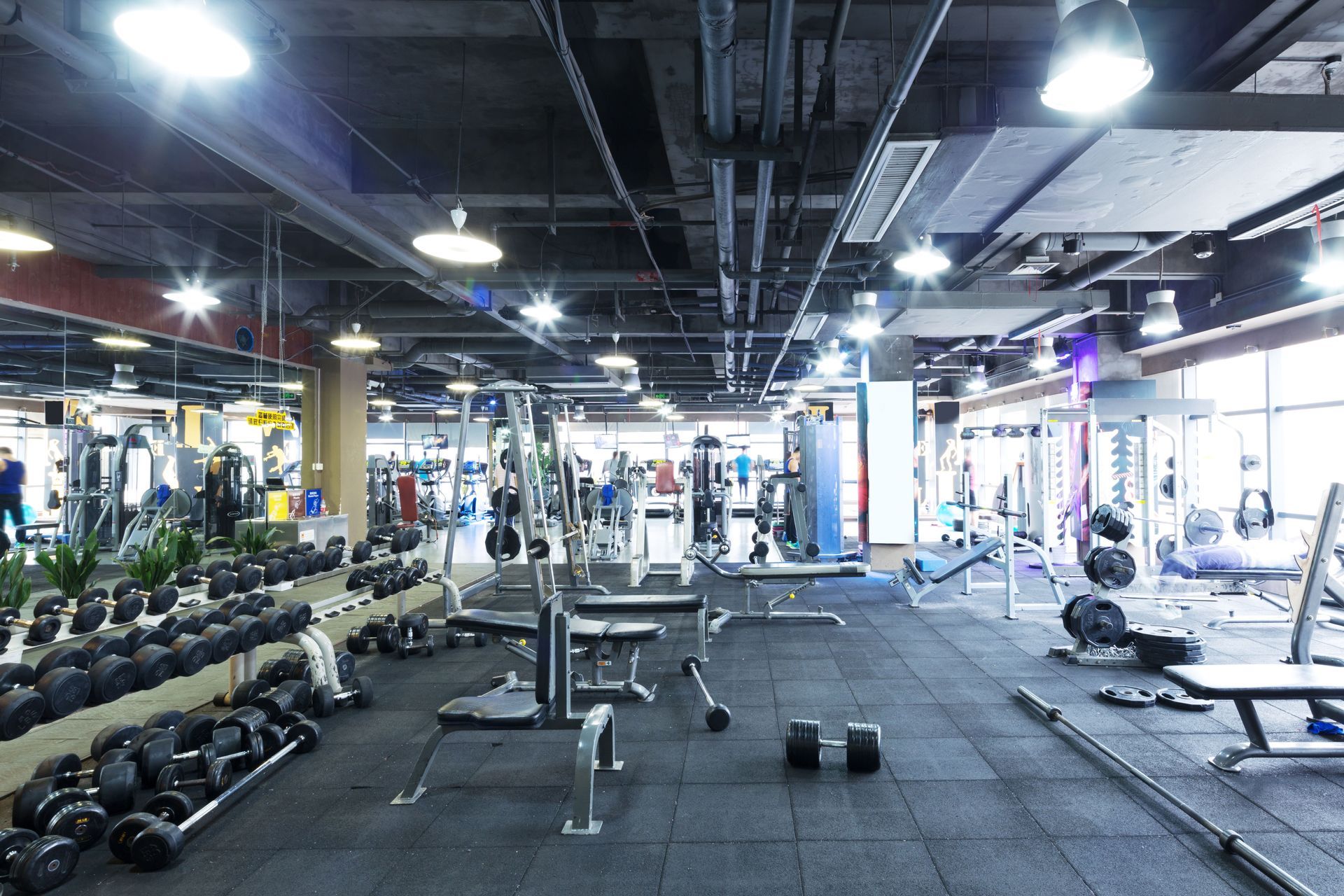
A gym can provide the setting where those reasons come together. Enjoyable activities, appropriate guidance, and realistic expectations help make participation meaningful over time. When progress includes confidence, connection, and a more manageable daily rhythm, exercise becomes more than a pursuit of physical change. Support both your body and mind by regularly visiting The Iron Asylum Gym.


Share On: